Aaron Thierry Get in touch

Aaron Thierry

Climate risk, and what we do with what we know.

Dr Aaron Thierry is an ecologist turned sociologist who works on climate risk. He gives talks and interviews about what happens as the world warms past 1.5°C, and about what scientists should do when their warnings go unheeded. He also works with artists as a science advisor, bringing climate science to the stage and screen.

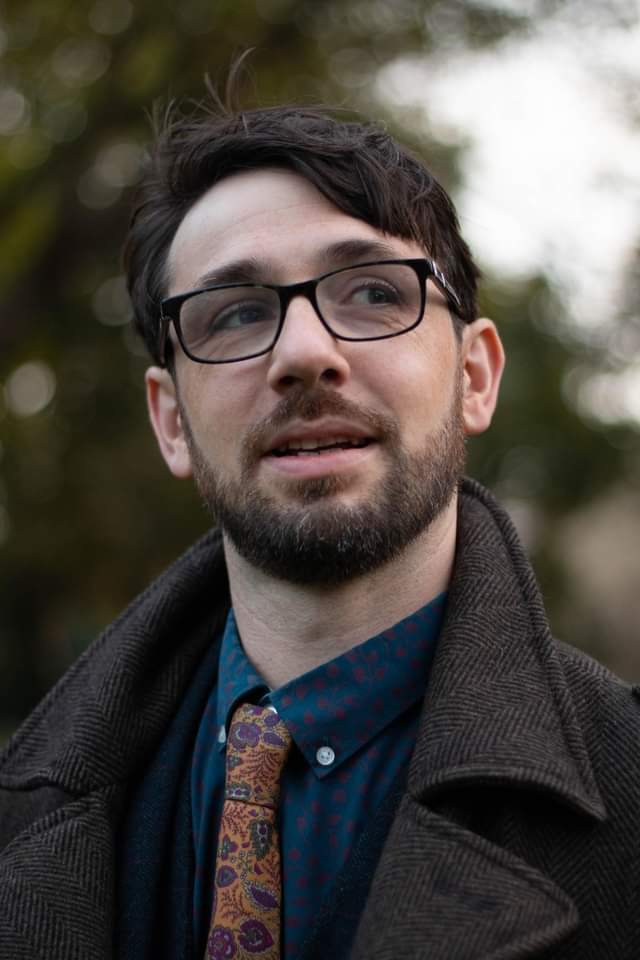
Aaron Thierry, wearing glasses and a tweed overcoat, outdoors

Seen, heard and read on

    Latest talks and media

      Latest writing

        Speaking

        Aaron speaks at festivals, universities and professional events, and runs workshops on communicating climate risk and on campaign strategy. He has spoken at Chatham House, Trinity College Dublin and the University of Exeter.

        See topics and past talks

        Science advisor to the arts

        Aaron collaborates with theatre-makers, dancers and filmmakers making work about the climate crisis. He brings the science into the creative process, where it can open up ideas as well as ground the work in evidence.

          Book

          Aaron's sociology PhD draws on interviews with climate scientists about how they live with what they know, and what they think it obliges them to do.

          About

          An ecologist turned sociologist who works on climate risk.

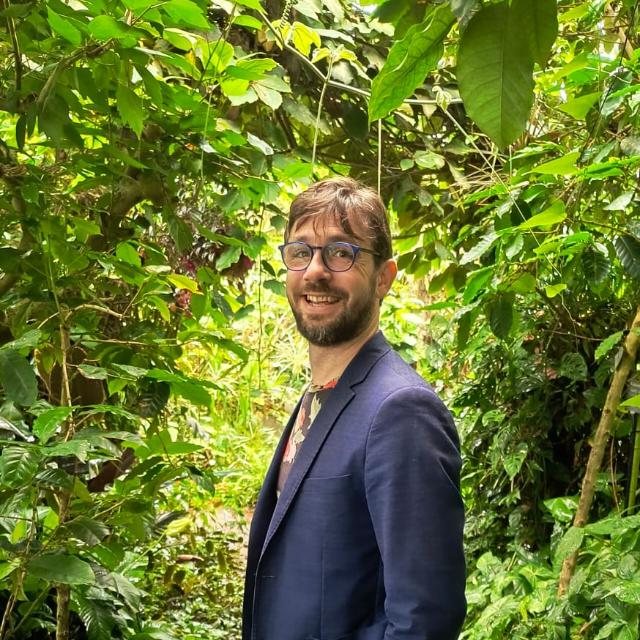
          Aaron Thierry smiling among tropical plants

          Aaron Thierry is a Research Analyst at ASRA, an organisation that works to bring the assessment of systemic risk into policy and decision-making. A systemic risk is one that spreads from one system into others, as when a failed harvest drives up food prices and then unsettles governments. Aaron's current project traces how the risks of warming beyond 1.5°C cascade in this way through the natural world and human society.

          He trained as an ecologist. His first PhD, at the University of Sheffield, studied food webs, the networks of who eats whom in an ecosystem, and what happens to the rest of a community when one species is lost. As a postdoctoral researcher at the University of Edinburgh he studied thawing permafrost in subarctic Canada, measuring how much of the carbon locked in frozen ground escapes as it thaws. That work appeared in Nature Climate Change and Global Change Biology.

          He then left academia to campaign, working as a youth campaigns coach on My World My Home, a Friends of the Earth programme that trained young people to run environmental campaigns in their own communities. He also co-chaired the Sheffield Climate Alliance, where he helped build support for a Clean Air Zone in the city. The alliance has since become the South Yorkshire Climate Alliance.

          Wanting to understand why clear scientific warnings so often fail to produce action, he returned to research at Cardiff University. His sociology PhD is called Cassandra's Children, after the figure in Greek myth who could foresee disaster but was never believed. It draws on interviews with climate scientists about how they live with what they know and what they think it obliges them to do.

          Aaron writes for The Guardian, The Conversation and The Ecologist, and has been interviewed on BBC News, Al Jazeera, TRT World and The Guardian.

          Now
          Research Analyst, ASRA
          Sociology PhD
          Cardiff University, 2026
          Postdoctoral research
          University of Edinburgh, 2013–15
          Ecology PhD
          University of Sheffield, 2012

          Speaking

          Aaron speaks at festivals, universities and professional events, and takes part in panels and broadcast interviews. He also runs workshops that help scientists talk about climate risk with people outside their field.

          Invite Aaron to speak

          Formats

          Talks, panel discussions and interactive workshops, in person or online.

          Where he has spoken

          Chatham House, Trinity College Dublin and the University of Exeter, among others.

          What he talks about

          Living past 1.5°C

          In 2015 governments agreed a 1.5°C limit on global warming, and the world is now passing it. Aaron explains what that means, including how tipping points can push a system such as a forest suddenly into a new state that is hard to reverse. He also shows why the recent past is a poor guide to the impacts ahead, then turns to how institutions and communities can respond, both by cutting emissions faster and by preparing for risks that warming has already made unavoidable.

          Why warnings fail

          Drawing on his interviews with climate scientists, Aaron looks at why clear warnings so often fail to move governments, and at what it is like to hold urgent knowledge that nobody acts on. He then asks what it would take for warnings to turn into action, and what the rest of us can do to close that gap.

          Scientists in social movements

          Aimed at scientists and research teams, this talk helps researchers reflect on their social responsibility and on how they engage with the public. Aaron draws on theories of change, the accounts people give of how an action is meant to lead to the change they want, to show what different kinds of engagement are likely to achieve.

          Every professional is a climate professional

          Aaron talks to doctors, teachers, lawyers and other professionals about what they can do on climate through their own work. He draws on his recent framework for climate responsibility in practice, which sets out how that responsibility can become part of everyday professional life.

          Talks, panels and workshops

            Media

            Interviews on podcasts, television and online video.

              Writing

              A book of scientists' stories, plus articles and commentary for general readers.

              Articles

                Research

                Aaron's research began in ecology and now asks how scientists respond to the climate emergency.

                Climate scientists know a great deal about catastrophic risk, yet the institutions around them keep failing to respond. Drawing on interviews with climate scientists carried out between 2023 and 2025, the thesis argues that calling the situation an emergency is a way of bearing witness. It names the Cassandra condition, the experience of holding urgent knowledge that goes unheeded, and shows how the language of emergency has given some scientists grounds for advocacy and civil disobedience that they once avoided.

                Peer-reviewed papers

                  Reports

                    Earlier thesis

                      Full list with citations on Google Scholar.

                      Arts and culture

                      Aaron collaborates with theatre-makers, dancers and filmmakers making work about the climate crisis. He brings the science into the creative process, where it can open up ideas as well as ground the work in evidence. His role has ranged from reviewing a documentary podcast series to appearing on stage.